Immigration as a religious worker – the R-1 Religious Worker Temporary Work Visa and EB-4 Religious
Worker Immigrant visa (green card)
Are you a religious organization looking to hire a foreign worker, or alternatively a religious worker looking to work in the United States?
Freedom of religion in the United States is enshrined in the First Amendment to the United States Constitution, which states that “Congress shall make no law respecting an establishment of religion, or prohibiting the free exercise thereof…” In the spirit of free exercise of religion, the United States Congress created the R-1 religious worker temporary work visa, and the EB-4 special religious worker immigrant visa (green card), which allow foreign religious workers of any religion to come to the United States and carry out the tenants of their faith.
In the case of both the R-1 religious worker temporary work visa and the EB-4 special religious worker immigrant visa (green card), a U.S. religious organization must make a job offer to a foreign worker. The U.S. religious organization that will sponsor the process can be of any religion, including Christianity, Islam, Judaism, Buddhism, Hinduism, Sikhism or other religions, including the various denominations within each. These visas are available to U.S. religious organizations who have tax exempt status “501(c)” with the United States Internal Revenue Service (IRS), who wish to sponsor foreign workers who have been members of the same religious denomination for at least 2 years, and who meet the substantive requirements to carry out the proposed employment.

Additionally, non-profit organizations associated with a religious denomination in the United States may qualify to sponsor religious workers. Common examples include religious seminaries, religious schools or hospitals affiliated with religious denomination, among other non-profit organizations.

There are three subcategories of the R-1 temporary religious worker visa and the EB-4 special religious worker visa, which include (1) religious occupations (2) ministers and (3) religious vocations. In practice, a very diverse array of professions may qualify under the R-1 religious worker and EB-4 special religious worker visas, including but not limited to:


Preachers
Nuns
Religious teachers – from kindergarten all the way to university level
Friars
Religious counselors
Ministers
Rabbis
Missionaries
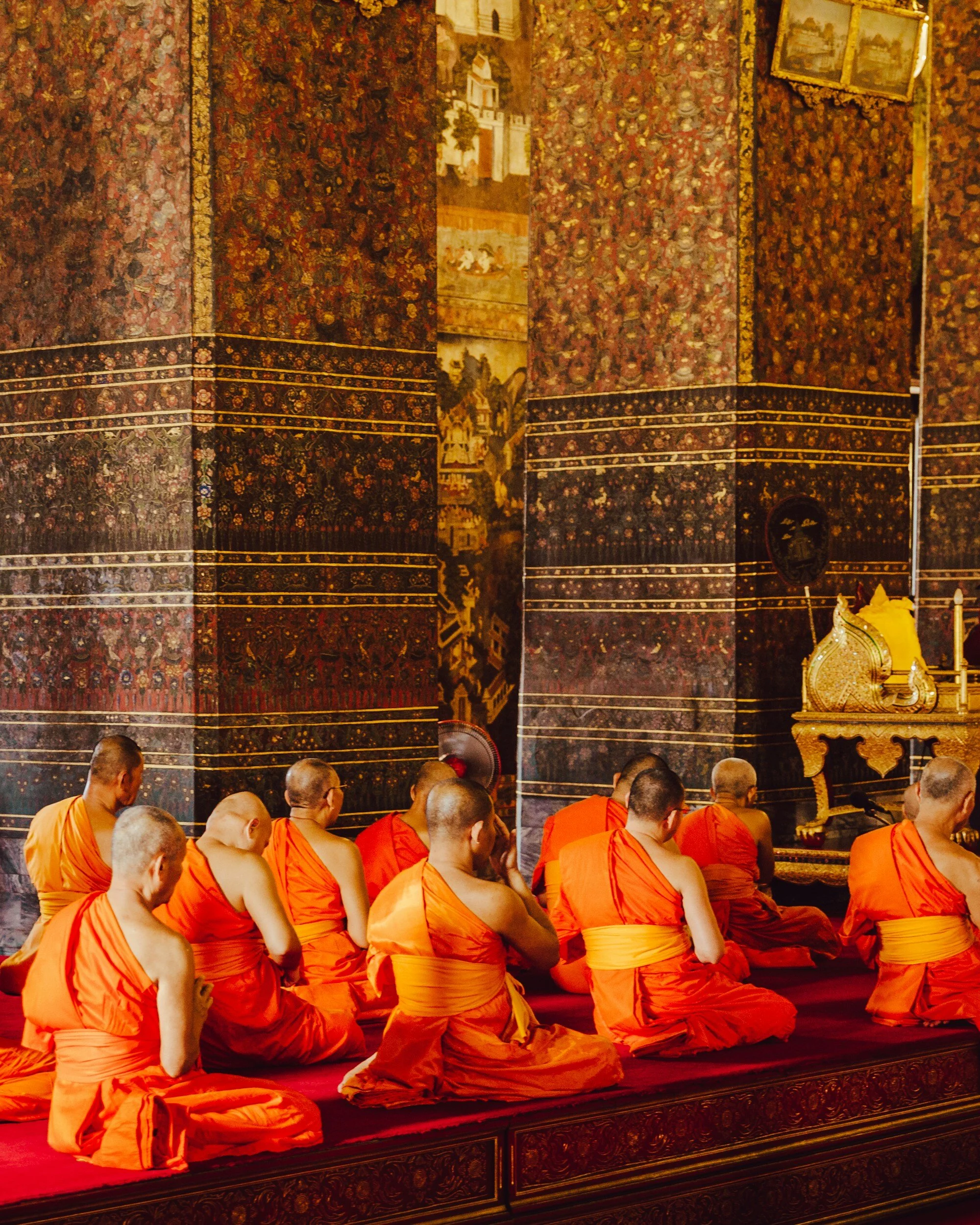
Monks
Imams
Religious artists
Religious food inspectors and preparers – for example, a Jewish Mashgiash
Religious language translators – For example translators of Quranic Arabic, Biblical Greek, Ancient Hebrew, Sanskrit or other languages used in religious texts.
Canon lawyers
Religious artists – For example, an Islamic calligrapher or a designer of stained glass windows in churches

It is important to note that the R-1 and EB-4 visas are for individuals who will primarily engage in religious work, with administrative and secular duties being only secondary or incidental to the religious duties. An experienced immigration lawyer can help to present or modify the worker’s proposed duties in such a way as to ensure that the petition has the highest chance of approval.


Additionally, it is important to note that while religious organizations have the option of using the R-1 temporary work visa and EB-4 special religious worker immigrant visa (green card), they are not limited to only sponsoring these visas. Religious organizations can also benefit from the entire spectrum of temporary work visa and immigrant visa (green card) processes that U.S. laws offer.
If a religious organization requires the services of a foreign worker for non-religious roles, such as jobs in finance, administration, marketing, human resources or other areas, a religious visa may not be appropriate. Our law firm can evaluate a foreign worker’s eligibility across the full spectrum of available immigration options, in order to help religious organizations meet their workforce needs.
What are the differences between the R-1 temporary work visa and the EB-4 immigrant visa (green card)?
The substantive requirements of R-1 temporary work visa and EB-4 immigrant visa are identical, with the notable exception that the EB-4 immigrant visa requires the foreign worker to have two years of relevant experience immediately prior to the filing of the petition, whereas the R-1 temporary work visa does not have an experience requirement, entry level positions can qualify for an R-1 visa.
It is common for a foreign worker to acquire two years of experience as an R-1 religious worker in the United States before filing for an EB-4 immigrant visa (green card), this is especially common among graduates of US theological universities, who transition from F-1 student status to the R-1 visa.
Another option is for a U.S. religious organization that is interested in hiring a religious worker to directly file an EB-4 immigrant visa (green card) petition, skipping the R-1 temporary work visa entirely. This is only available to workers who already have two years of relevant experience acquired outside the United States. Our team can help both the U.S. religious organization and foreign worker discuss the timing of these two visas and determine which is the best approach for all parties.
In terms of immigration benefits, the R-1 visa can allow a U.S. petitioner to hire a foreign religious worker for up to 5 years, usually in the form of up two petitions of 30 months each. The EB-4 special religious worker immigrant visa (green card) provides the foreign worker with permanent residence, which can thereafter permit them to pursue citizenship after being permanent resident for 5 years.
The last major difference between the two is timing. The R-1 religious worker visa can be adjudicated very quickly. If the U.S. religious organization has already undergone a site inspection by the United States Immigration and Citizenship Service (USCIS), then a premium processing fee can be paid which guarantees a response in 15 calendar days, whereas the EB-4 special religious worker (green card) visa has extremely long processing times, often taking several years for the petition to be approved and for the green card or immigrant visa to be issued

Any questions?

We appraise both the religious organization and the foreign worker of what steps need to be taken in the short term to ensure that the foreign worker is able to obtain permanent residence as quickly as possible, if that is the ultimate goal.
Finally, we give detailed advice about what not to do. Something a simple as taking a prolonged vacation, receiving a salary from a U.S. employer other than the religious organization without approval from USCIS, or a substantial change in job duties can cause a foreign worker to violate their status in certain circumstances. We carefully advise every client to ensure that they do not invertedly violate the law.
Please contact our firm for a free consultation.
Why should you hire Patriot Immigration Law Group to work on your religious worker visa?
At Patriot Immigration Law Group, we provide the U.S. religious organization and foreign religious worker with a detailed breakdown of the process, including substantive requirements, timeframes, costs, risks and opportunities. As stated above, though the R-1 visa is generally an excellent option for U.S. religious organizations to sponsor foreign workers, it is not the only available option. Our team will evaluate all available options and help you to decide process most aligns with your needs and circumstances.
If we ultimately decide that a religious visa is the best option, we work directly with the religious organization to build a petition that meets of all of the legal requirements necessary for the petition to be approved.

Contact Patriot Immigration Law Group today for a consultation.